Mukuru Economic and Social Opportunities for the Most Vulnerable (MESO)
The Mukuru Economic and Social Opportunities for the Most Vulnerable (MESO) project is a transformative, community-driven initiative led by the Mukuru Slums Development Project (MSDP) in strategic partnership with DKA Austria, Medicor Foundation, and Horizont 3000. These partnerships have been instrumental in shaping the project’s vision, direction, and long-term impact. Designed to span three years from July 2025 to June 2028, the MESO project seeks to create sustainable, inclusive, and equitable opportunities for the most vulnerable populations living in the informal settlement of Mukuru, Nairobi. These include children, youth, teenage mothers, and caregivers, who face significant barriers to education, economic advancement, and social inclusion.
The MESO project is rooted in the overarching vision of fostering a thriving Mukuru community where children, youth, and families are empowered to reach their full potential. To achieve this vision, the project adopts a multi-dimensional approach that simultaneously addresses child protection, education access, sustainable livelihoods, environmental consciousness, and community participation in policy dialogue.
At the heart of the project lies the specific objective of improving the living conditions of vulnerable populations in Mukuru and enhancing their access to new social and economic opportunities. This is operationalised through five interrelated results areas, each with its own clearly defined outcomes, activities, and verification mechanisms. Through this structured delivery model, the project builds not only individual capacities but also systemic resilience across families, schools, and communities.
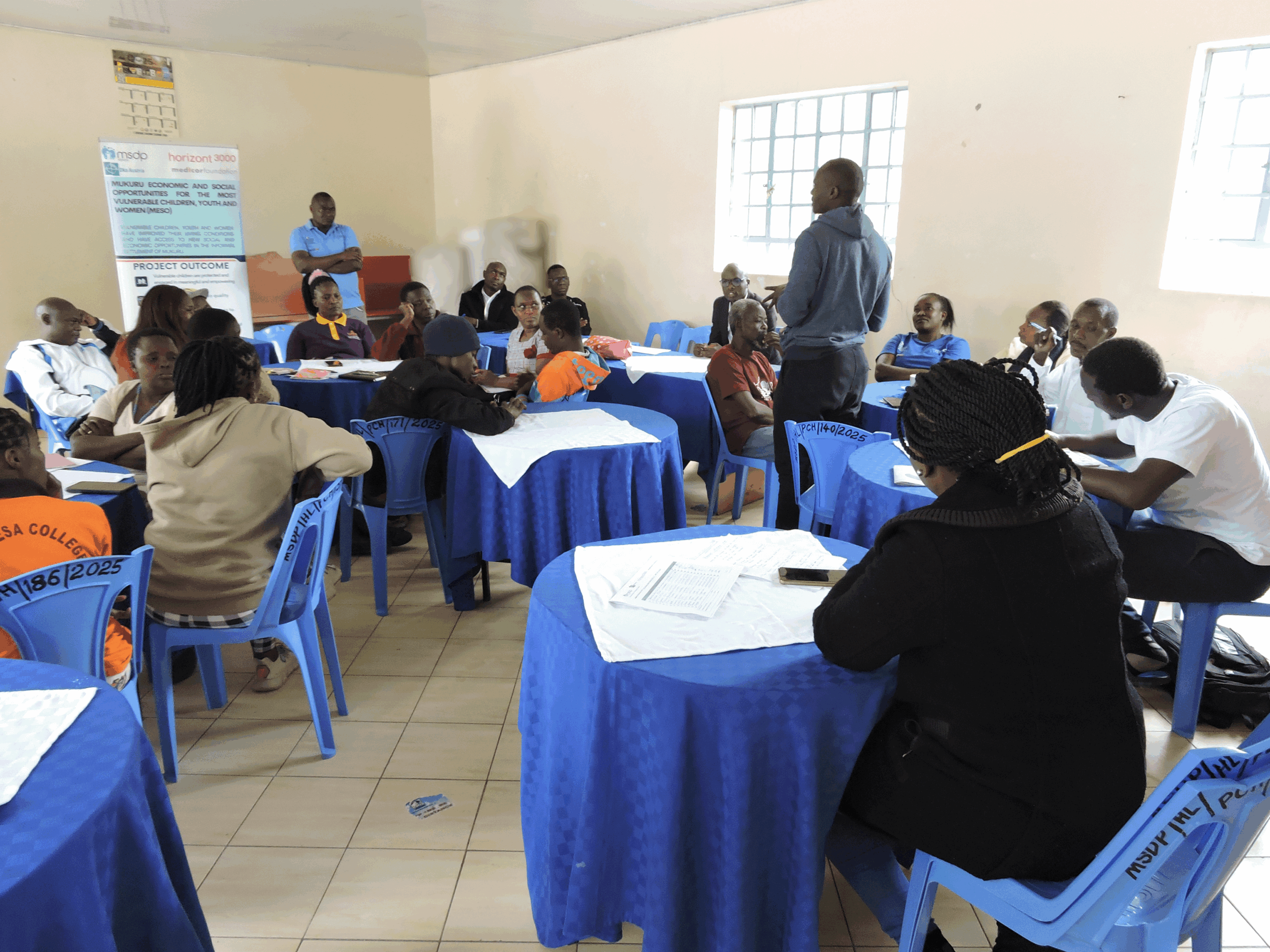
A critical entry point for intervention is the rescue and reintegration of street-connected and at-risk children. The project undertakes both residential and community-based rehabilitation efforts. Children are identified through outreach programmes and enrolled into halfway care, where they receive tailored psychosocial support, basic education tutorials, and reintegration planning. Trained foster families are engaged where necessary to provide alternative family-based care, ensuring alignment with Kenya’s deinstitutionalisation policy. The capacity of MSDP’s Halfway House, the readiness of primary caregivers, and the involvement of supportive community leaders are all instrumental to the success of this outcome.
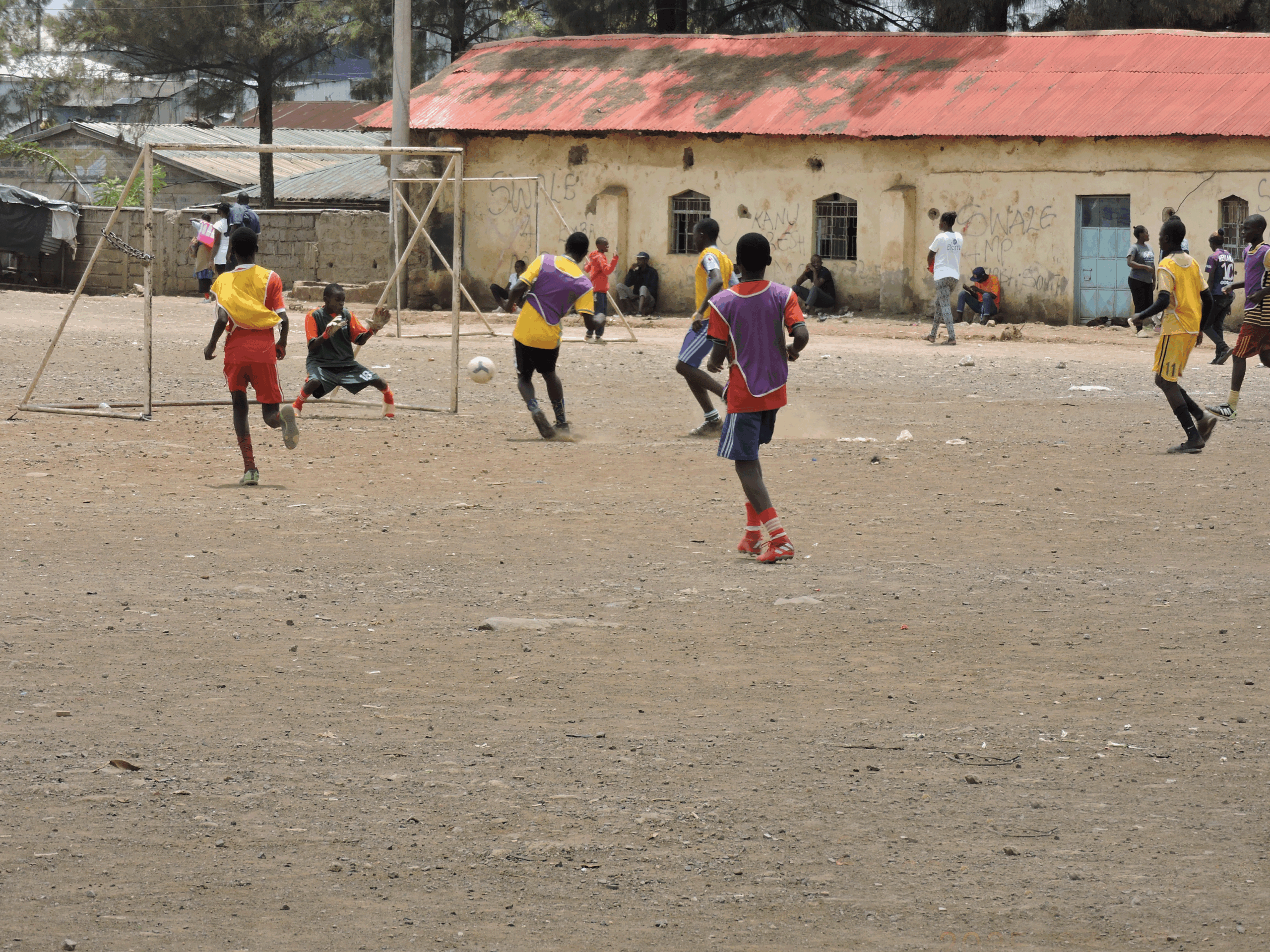
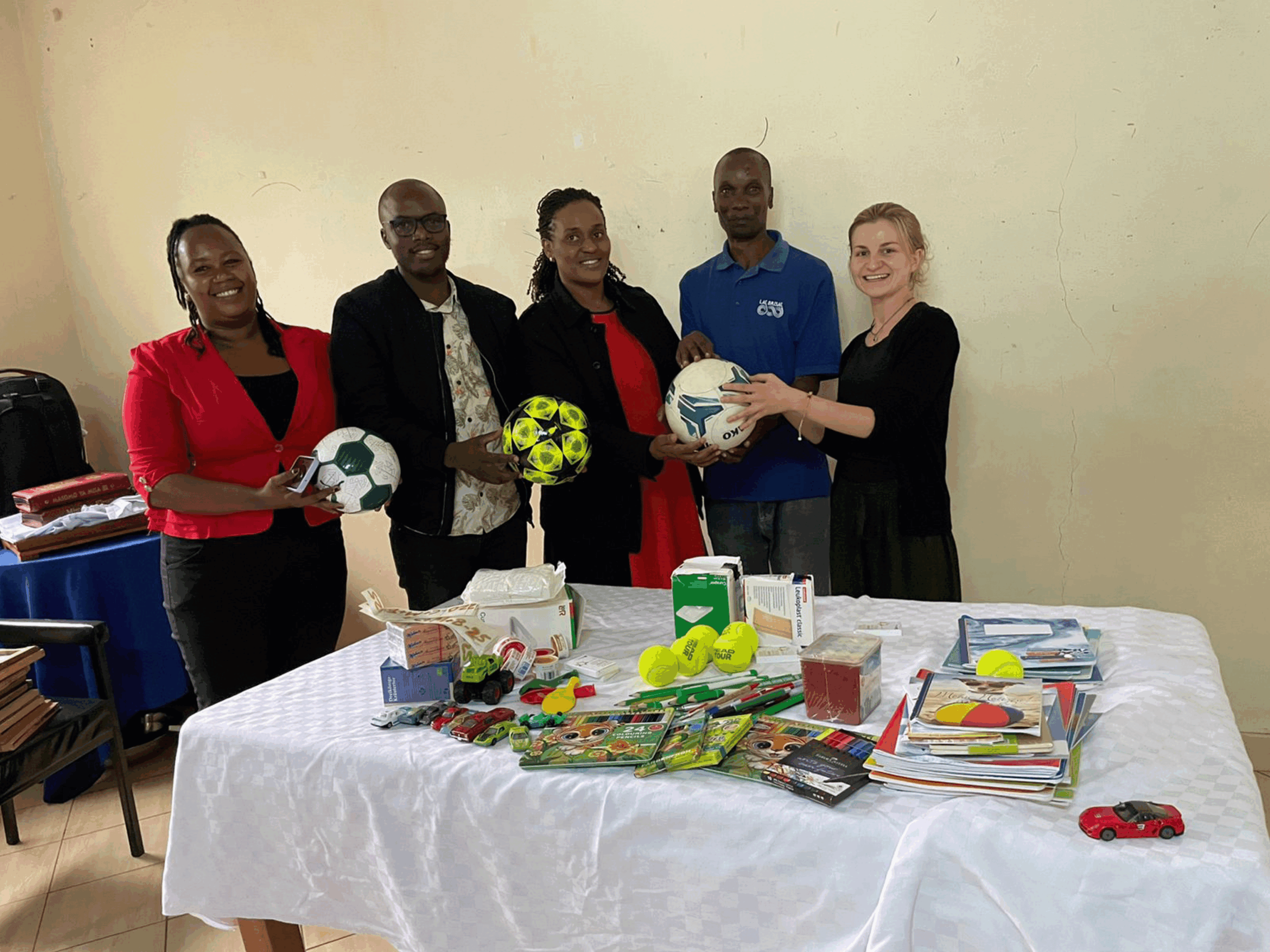
Complementing protection efforts is the strategic emphasis on education access and life skills. MESO works in close partnership with primary schools to establish clubs focused on sports, performing arts, and life skills. These clubs are designed to nurture the talents and confidence of participating children. Re-enrolment initiatives target out-of-school children, supported by back-to-school kits and educational materials. Young mothers are provided with structured life skills training to promote self-agency and resilience. Moreover, peer learning, holiday camps, and mentorship enrich the holistic development of children and adolescents.
The project recognises that sustainable social development is closely intertwined with economic empowerment. To that end, MESO facilitates entrepreneurship training and offers targeted business start-up support for selected caregivers and youth. Participants are also supported to form and maintain Voluntary Group Savings and Loans (VGSL) groups, enabling access to finance and promoting a culture of mutual support. In addition, the project invests in vocational training for youth, equipping them with employable skills aligned with the current labour market. The curriculum emphasises business acumen, technical proficiency, and practical training, increasing prospects for self-employment and job placement.
THEME
Vulnerable children, youth, and women have improved their living conditions
and have access to new social and economic opportunities in the informal settlement of Mukuru
and have access to new social and economic opportunities in the informal settlement of Mukuru
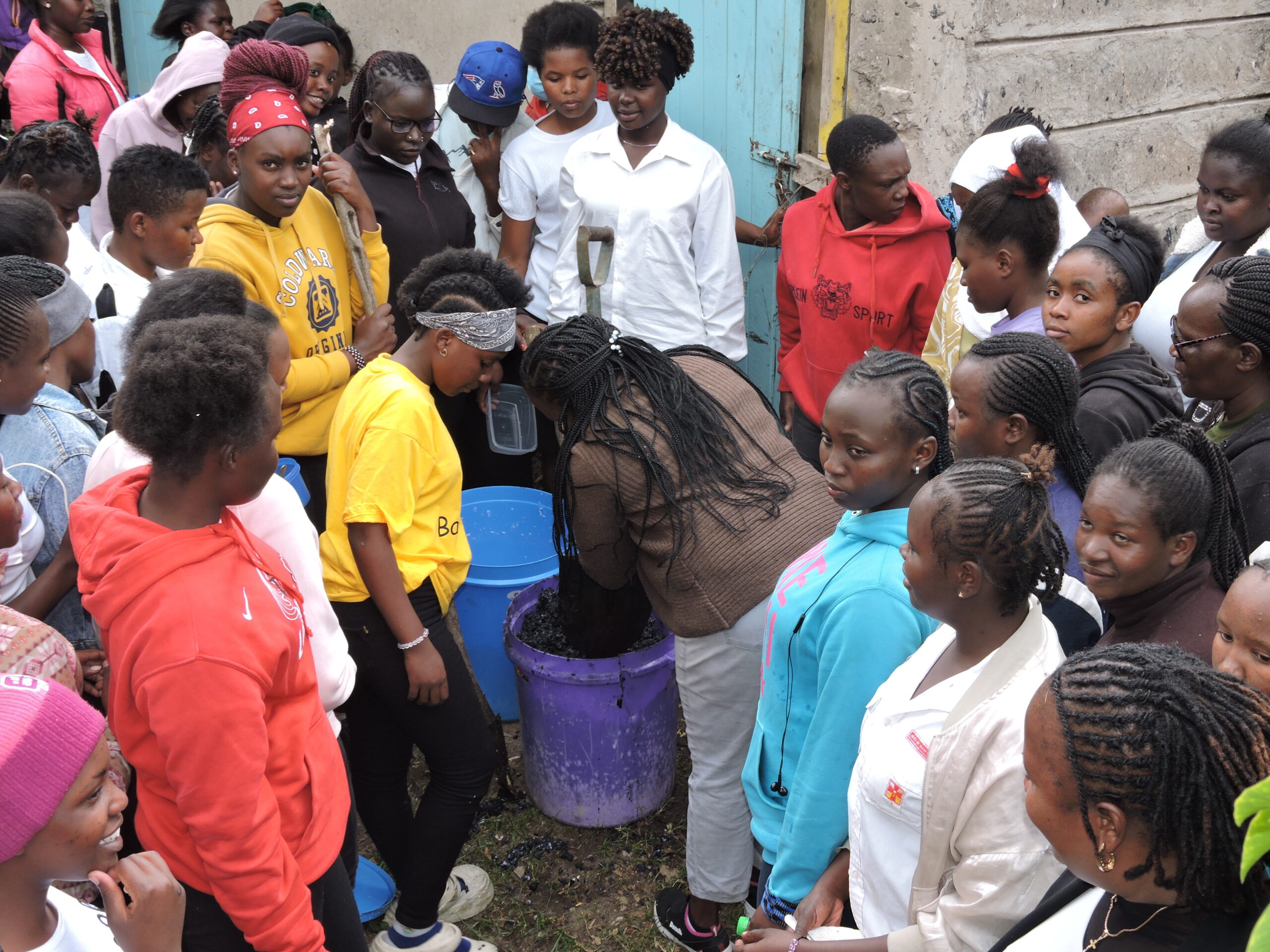
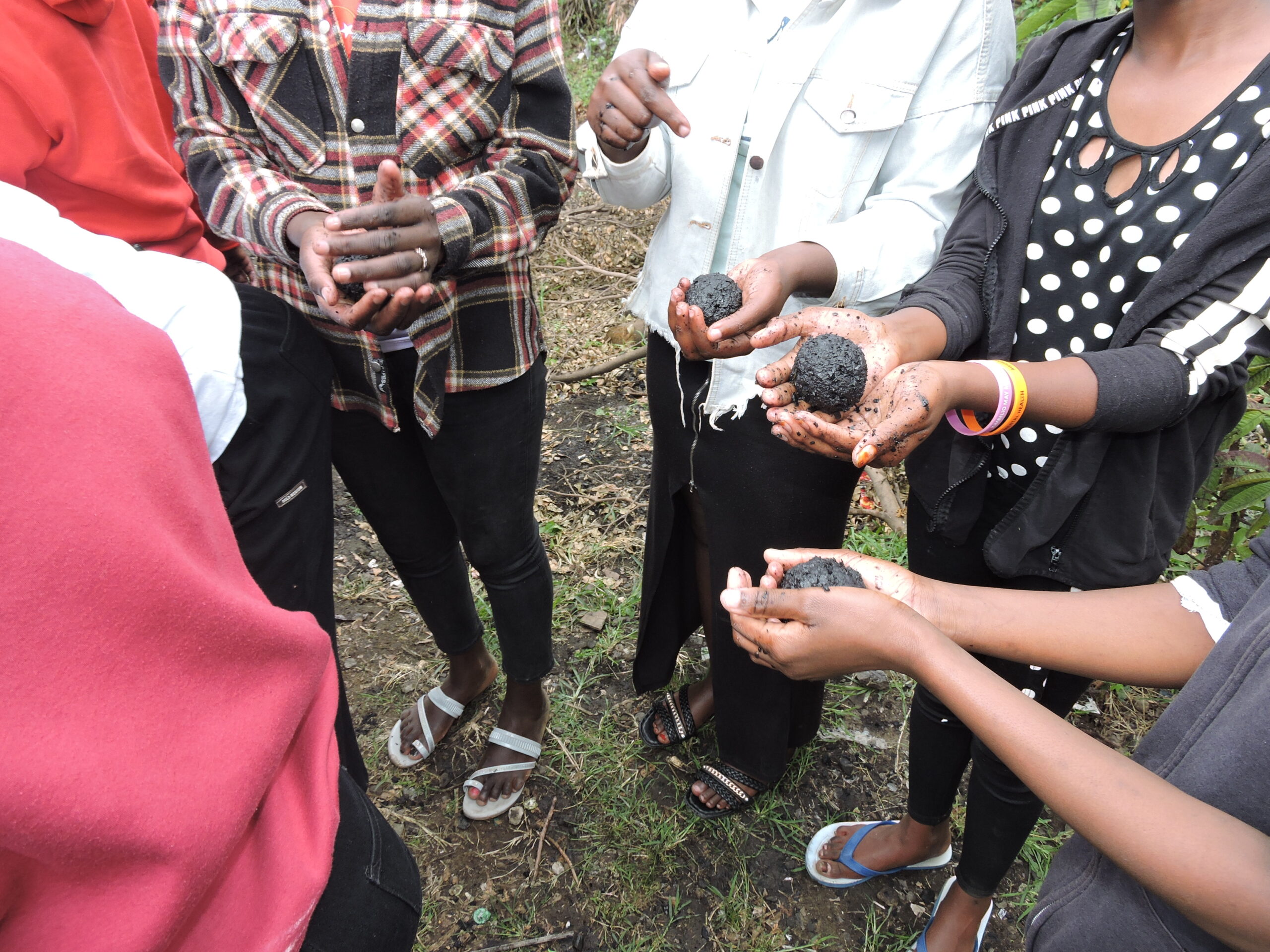
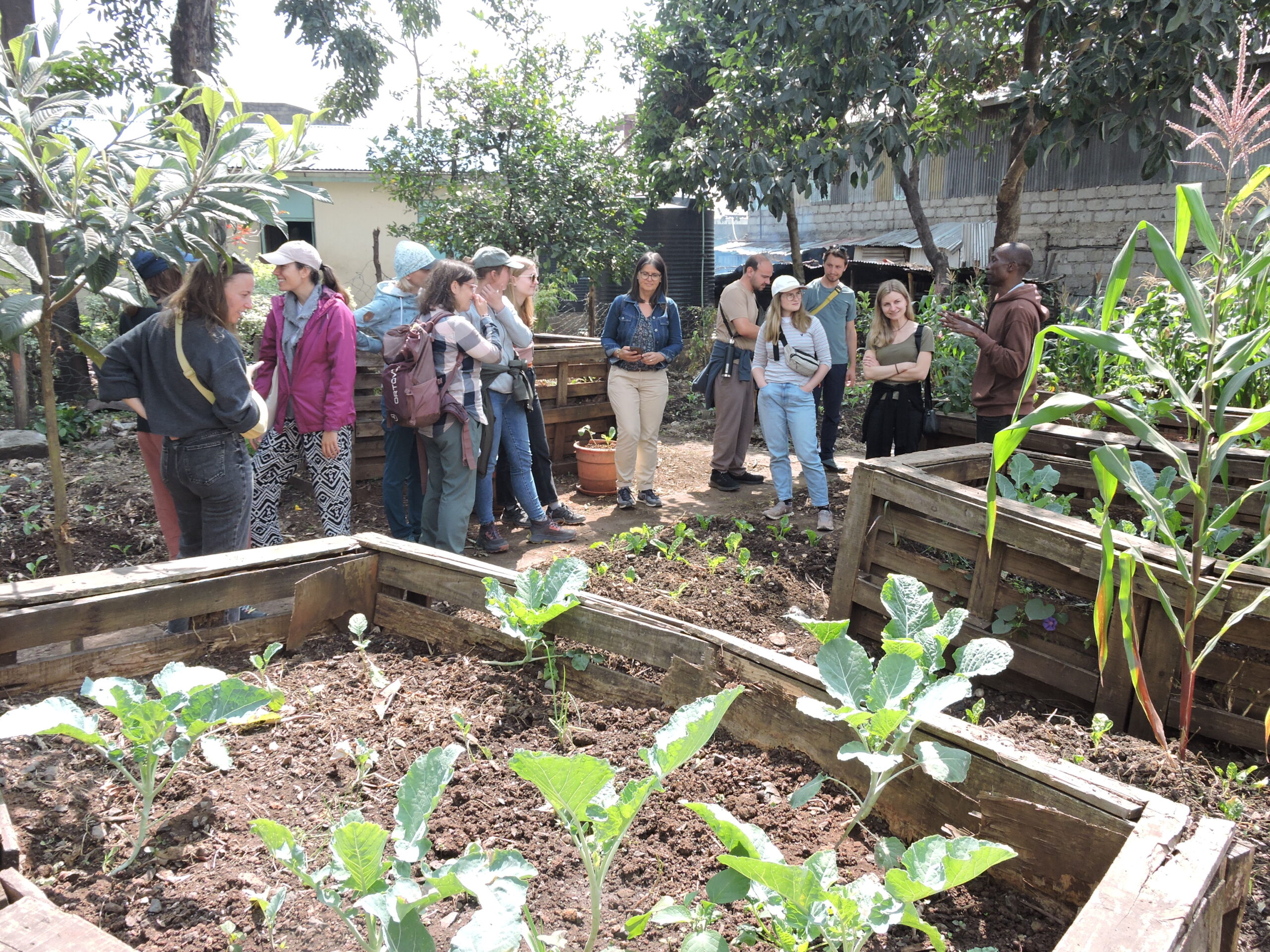
In response to the growing challenges of climate change, the MESO project introduces school-based climate action clubs. These clubs provide a platform for children to learn about climate adaptation and environmental stewardship. Students take part in structured awareness-raising activities and initiate grassroots climate actions within their schools and communities. This component fosters civic engagement from a young age and embeds environmental responsibility within the broader education ecosystem.
Finally, the project promotes participatory governance through community-led policy dialogue. It mobilises local residents into structured groups that meet regularly to discuss development priorities, assess public service delivery, and formulate community action plans. These groups engage with duty-bearers at sub-county and county levels to demand accountability and influence public policy. By facilitating sustained dialogue and capacity-building among local leaders, the MESO project ensures that the voices of Mukuru residents are not only heard but are integral to shaping the future of their settlement.
The successful implementation of the MESO project depends on a combination of strategic planning, community ownership, institutional collaboration, and continuous learning. It draws upon regular monitoring through baseline and endline surveys, verified attendance lists, photographic documentation, and robust case management systems. Its achievements are strengthened by enduring partnerships with schools, vocational institutions, local authorities, and grassroots leaders.
Ultimately, the MESO project reflects a profound commitment to social justice, human dignity, and long-term transformation. It stands as a testament to MSDP’s belief that when the most vulnerable are equipped with the tools and opportunities to thrive, entire communities are uplifted in turn.