Daraja La Mafanikio(DALMA) – Bridge to Success
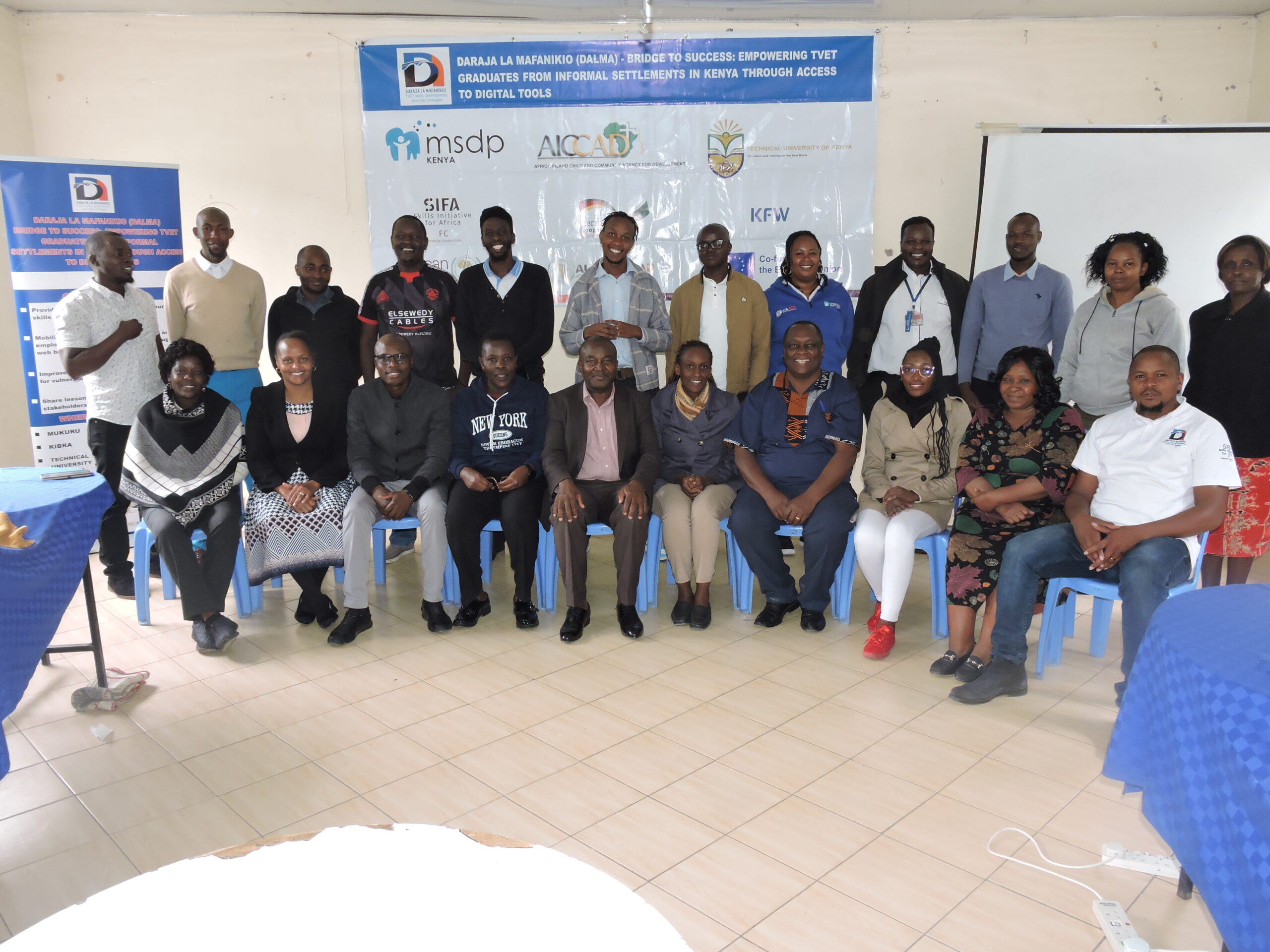
The Mukuru Slums Development Project (MSDP), in collaboration with the Africa Inland Child and Community Agency for Development (AICCAD) and the Technical University of Kenya (TUK), is implementing the DALMA project in partnership with the Skills Initiative for Africa (SIFA), the African Union, and AUDA-NEPAD, with co-funding from the European Union, the German Cooperation, and KfW development bank. The DALMA project identifies vulnerable youth through a community-based selection and interview process conducted by the project team, applying pre-established vulnerability criteria to select those most in need of sponsorship. Selected students undergo training in various courses, including beauty, hairdressing, catering, ICT, and more, along with additional entrepreneurship and employability training. Upon completion, students take an exam, and those who pass are connected with potential employers through app. Transport assistance is available for those in significant need to ensure regular attendance. To monitor progress, sponsored trainees attend monthly review meetings that track attendance and provide mentorship. TVET institutions ensure all students complete their courses and offer support for sitting the NITA exams, ultimately helping to meet the project’s goals.
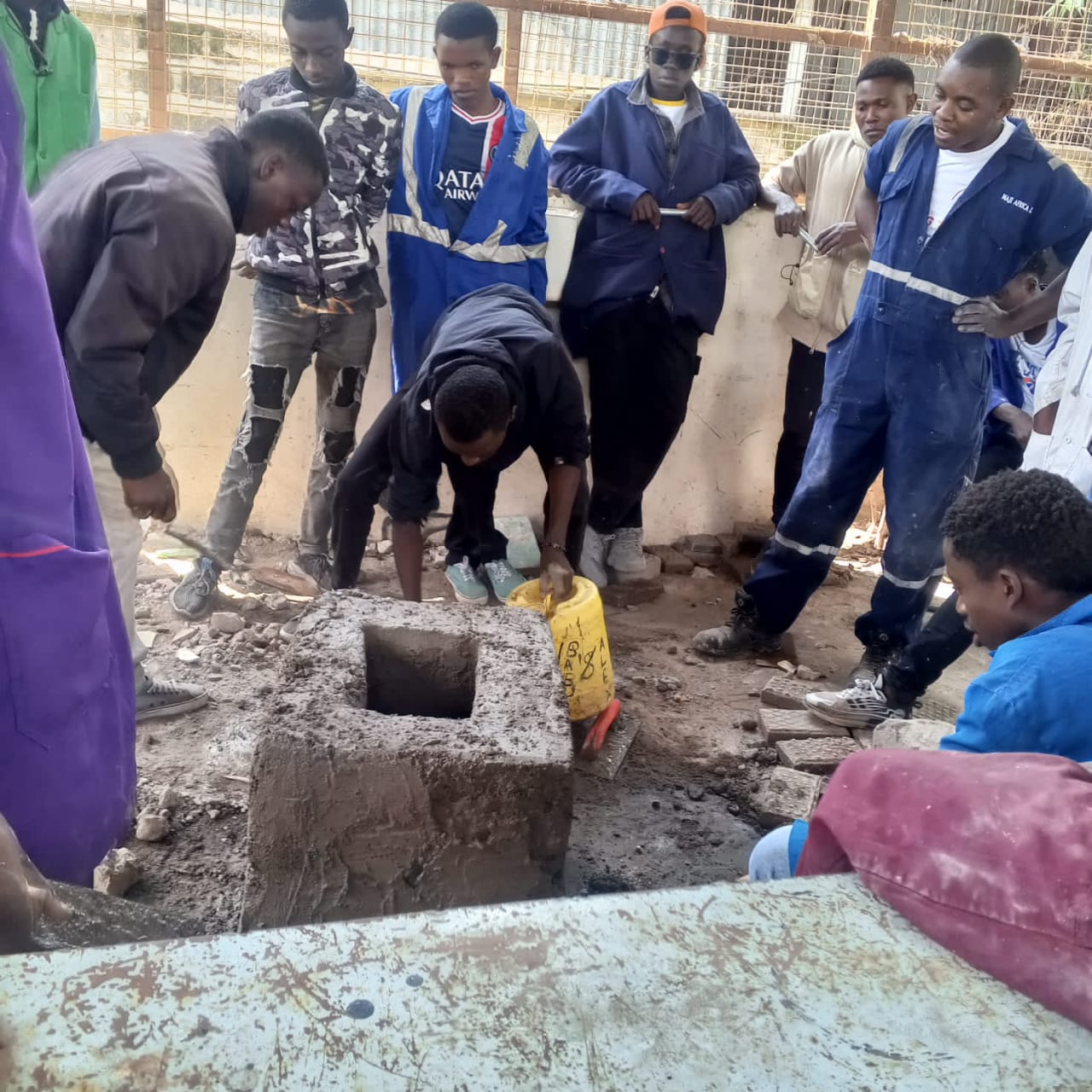
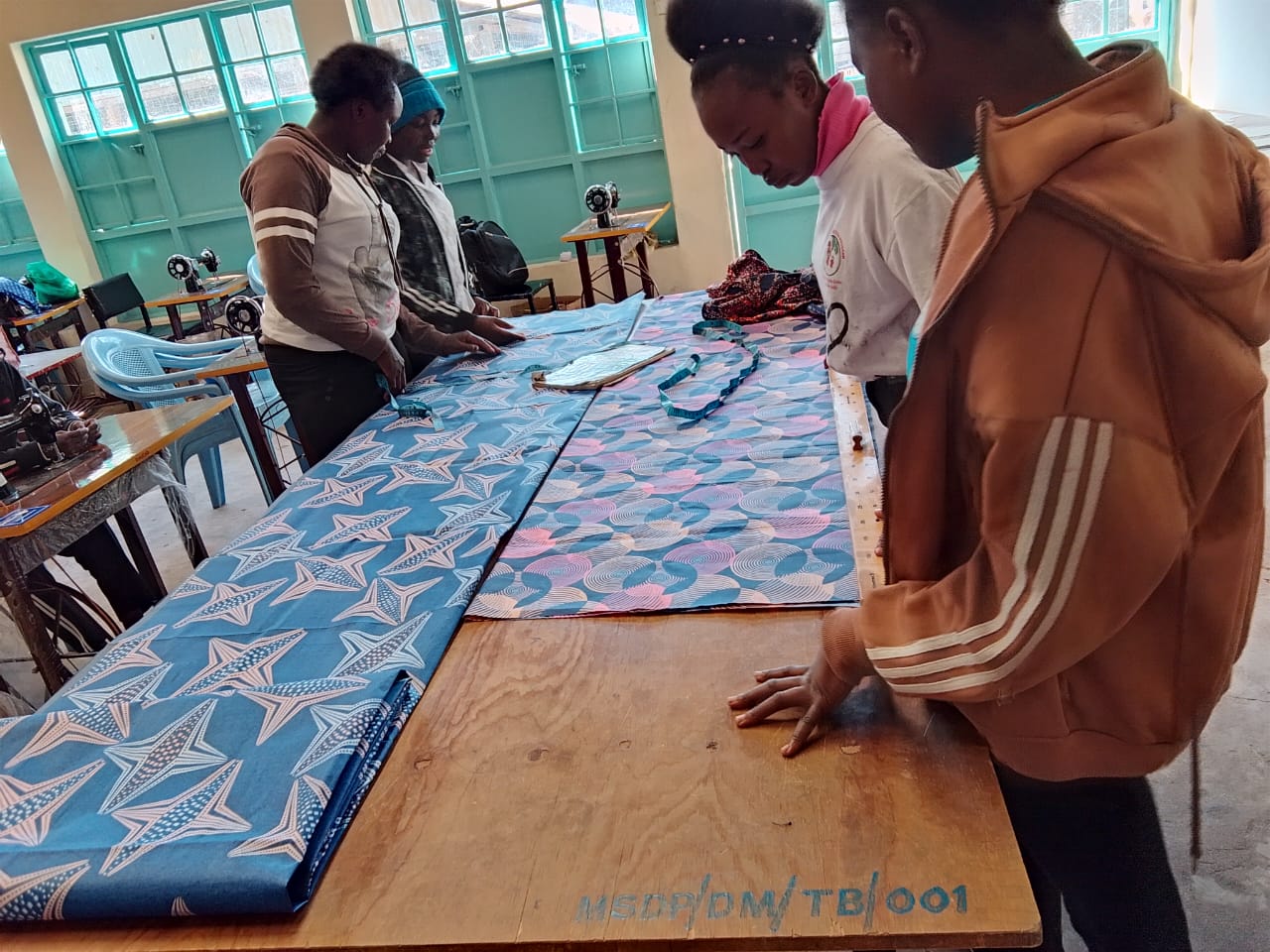
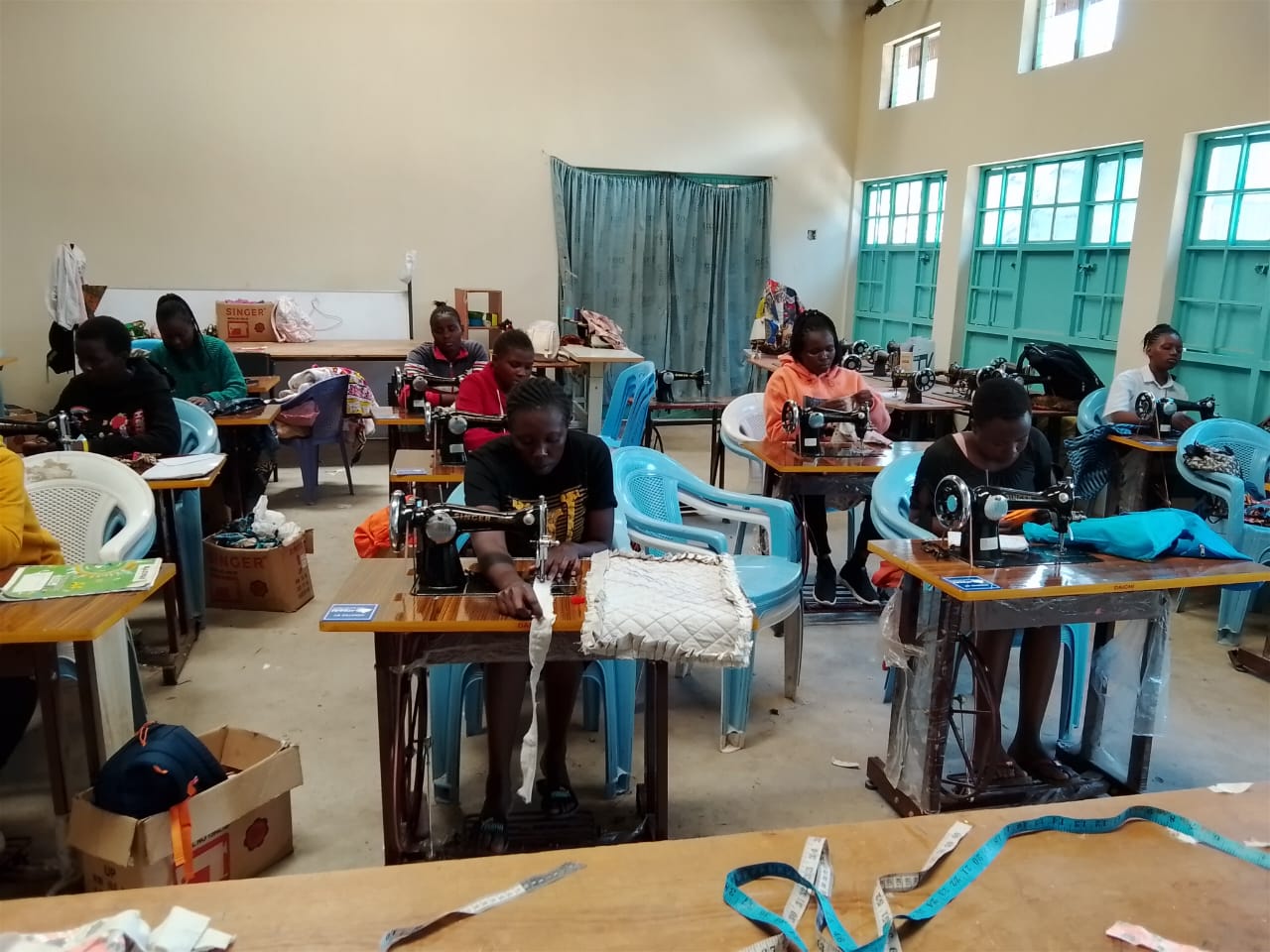
The objectives of “DALMA” are Employability and Entrepreneurship Skills: To equip trainees and graduates from TVET institutions in Kibera and Mukuru with employability and entrepreneurship skills through physical and e-learning platforms. SME Mobilization and Internship Support: To engage SME proprietors and business owners in providing internship and employment opportunities to vulnerable youths through a web-based/USSD platform and app. Vocational Skills Training Access: To provide access to vocational skills training for vulnerable youths from Kibera and Mukuru, equipping them with employable skills relevant to the labor market. Dissemination of Best Practices:To share lessons learned and best practices with stakeholders and partners at the national, regional, and continental levels.
PURPOSE
Empowering TVET graduates from Informal
Settlements in Kenya through Access to Digital Tools
Settlements in Kenya through Access to Digital Tools
Our outcomes for this project are:
· A detailed implementation strategy and plan are established, and a relevant and interactive Employability Curriculum developed.
· Web database and interactive app linking employers and TVET graduates and delivering on-line training is adapted to the needs of students and employers in informal settlements.
· Evaluation report supporting the development of a business plan.
· Enhanced SME Support: SME proprietors and business owners engaging in supporting youth employment could lead to increased job opportunities and mentorship for vulnerable youths, fostering economic growth within the informal settlements.
· Increased Employability: Graduates and trainees from the selected TVET institutions would acquire enhanced employability and entrepreneurship skills, potentially leading to higher rates of employment or successful entrepreneurship ventures.
· Improved Access to Vocational Skills: The targeted vulnerable youths gaining access to vocational skills training would likely lead to improved career prospects and economic empowerment within the Kibra and
Mukuru informal settlements.
· Knowledge Dissemination: Dissemination of lessons learned and best practices to stakeholders and partners at various levels could result in
increased awareness and adoption of effective strategies for addressing youth unemployment and enhancing vocational training programs nationally, regionally, and continentally.